
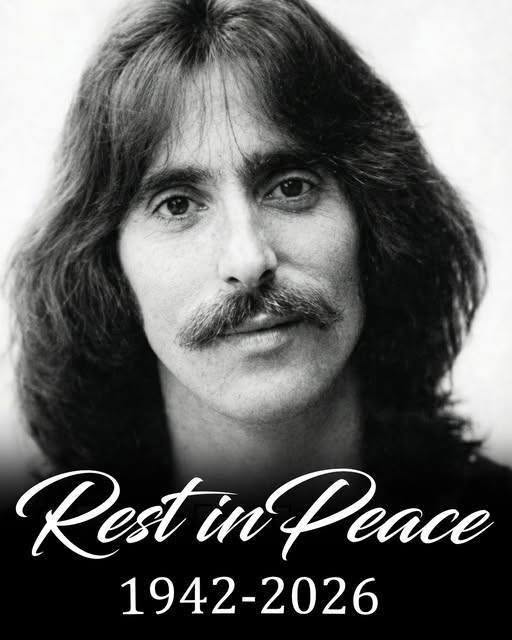
HT17. TRAGIC END for This Legend: Why These Headlines Hit So Hard—and What They Reveal About Us
“Tragic end for this legend. With heavy hearts, we announce the passing. When you find out who he is, you will cry.”
You’ve probably seen a headline like this before.
It stops you mid-scroll. It pulls at your emotions before you even know the story. It creates a sense of loss, mystery, and urgency—all in a single sentence. And whether you click immediately or pause in skepticism, one thing is certain: it affects you.
But what is it about these headlines that makes them so powerful? Why do they spread so quickly? And what do they say about the way we process grief, fame, and storytelling in the digital age?
Let’s unpack the emotional weight behind headlines like this—and the deeper truths they reveal.
The Anatomy of a Viral Tragedy Headline
At first
glance, the headline seems simple. But it’s carefully constructed to trigger a reaction.
Let’s break it down:
“Tragic end” immediately signals loss and emotional weight
“This legend” suggests importance without revealing identity
“With heavy hearts” creates a shared emotional tone
“When you find out who he is, you will cry” builds suspense and promises a strong reaction
It’s not just information—it’s an emotional hook.
This type of headline is designed to do three things:
Capture attention instantly
Evoke curiosity
Encourage sharing
And it works—because it taps into something deeply human.
Our Emotional Connection to “Legends”
The word “legend” carries a lot of weight.
It implies greatness, impact, and lasting influence. A legend is someone who has shaped a field, inspired people, or left behind a legacy that endures.
When we hear that a “legend” has passed away, we don’t just think about death—we think about loss of meaning. We imagine





Comments