
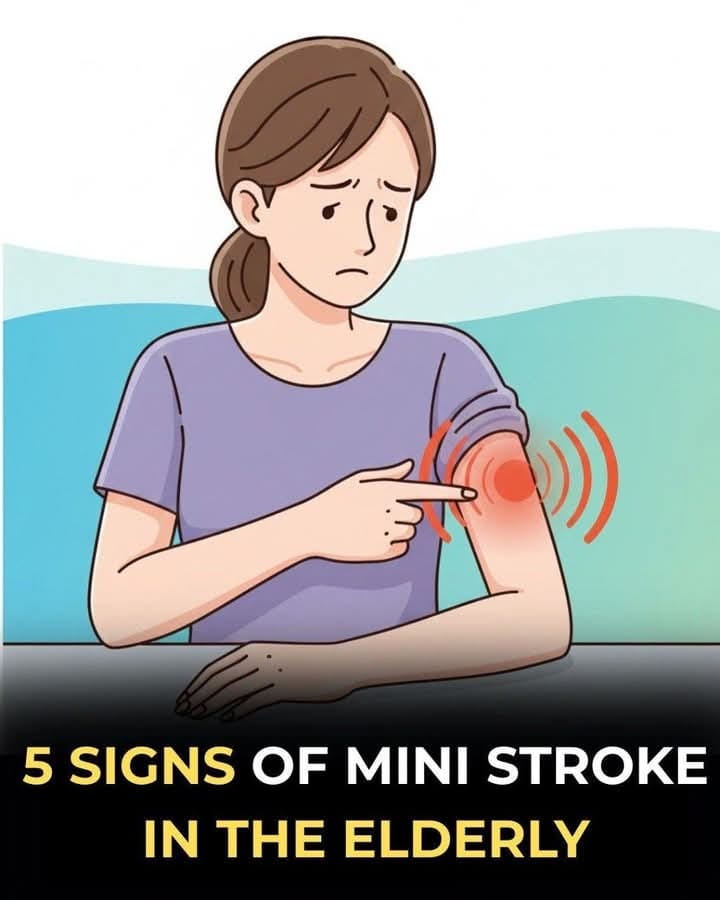
diagnosis often involves brain imaging tests, such as MRI or CT scans, and vascular studies to identify the source
of the blockage.
Early evaluation allows doctors to prescribe preventive treatments, such as antiplatelet medications or anticoagulants, and to manage risk factors like high blood pressure, diabetes, and cholesterol. Timely intervention significantly reduces the risk of a full stroke, which can cause permanent neurological damage.
Conclusion
Mini strokes are brief but serious events that serve as a warning for potential major strokes. Recognizing the key signs—sudden weakness or numbness, speech difficulties, and vision problems—can save lives by prompting urgent medical care.




Comments